


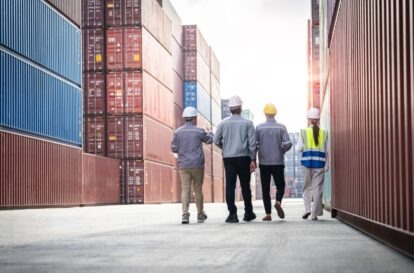
Transportation plays a key role in keeping industries and daily life moving across island regions. In a place like the Bahamas, where logistics depend on coordination between ports, roads, and remote locations, precision matters more than ever. Trailer Transport Services in the Bahamas continue to evolve to meet these demands, offering structured solutions that align with modern delivery expectations.
This blog explains how trailer transport works in the Bahamas, how it maintains consistency, and why it remains a dependable choice for individuals seeking organized and timely delivery solutions.
The Role of Trailer Transport Services in the Bahamas
Trailer transportation focuses on moving goods using specialized trailers attached to trucks. These trailers handle different types of cargo, including construction materials, equipment, and personal shipments. The structure allows for efficient loading and unloading, which is important in areas where timing and coordination are essential.
Trailer transport services in the Bahamas operate within a system that connects shipping ports with inland destinations. Since the Bahamas consists of multiple islands, transport providers must plan routes carefully. They rely on scheduling, equipment readiness, and trained drivers to ensure deliveries move without disruption.
The Structure Behind Transport Trailer Services
The logistics behind Transport Trailer Services in the Bahamas involve more than simply moving goods from one place to another. It includes a coordinated system that integrates vehicles, operators, and route management.
Transport providers use different trailer types based on cargo needs. Flatbed trailers carry oversized materials, while enclosed trailers protect sensitive goods. Refrigerated trailers maintain temperature control for items that require specific conditions. This organized approach allows Transport Trailer Services to maintain consistency across deliveries, even when dealing with varying distances and cargo types.
How a Truck Transport Company in the Bahamas Maintains Precision
A truck transport company in the Bahamas operates with a focus on accuracy and coordination. Precision in transport means delivering cargo at the right time, in the right condition, and to the correct location. To achieve this goal, companies use tracking systems that monitor vehicle movement in real time.
These systems help dispatchers adjust routes when needed and keep deliveries on schedule. Communication supports every stage of the process. Teams coordinate with clients, drivers, and port authorities to manage timelines. This structured system allows a truck transport company to maintain steady performance across different types of deliveries.
Adapting to Island Logistics Challenges
Transport services in the Bahamas must adapt to unique challenges. Unlike mainland regions, island logistics require coordination between sea and land transport. Cargo often arrives by ship and must be transferred quickly to trailers for inland delivery. Weather conditions also influence the transport schedules. Rain and storms can affect road conditions and shipping timelines.
Transport providers monitor weather forecasts and adjust plans to avoid delays. Road networks across islands vary in size and condition. Drivers must navigate these routes carefully while maintaining delivery schedules. The ability to adapt to these conditions allows Trailer Transport Services in the Bahamas to remain reliable under changing circumstances.
The Process Flow of Trailer Transport Operations
Trailer transport follows a structured process that ensures consistency. The first stage involves receiving cargo details, including size, weight, and destination. This information helps determine the type of trailer required. The next stage includes scheduling and route planning.
Dispatch teams assign drivers and prepare vehicles based on delivery requirements. Cargo is then loaded securely to prevent movement during transit. This process ensures that Transport Trailer Services in the Bahamas maintains a steady flow from start to finish.
Equipment and Technology in Modern Trailer Transport
Modern trailer transport depends on equipment and technology to maintain efficiency. Trucks and trailers are designed to handle different cargo types while ensuring stability during movement. Tracking systems provide real-time updates, allowing teams to monitor deliveries closely. These systems also help identify delays and adjust routes when necessary. Communication tools connect drivers with dispatch teams, ensuring everyone stays informed.
Maintenance programs keep vehicles in working condition. Regular checks reduce the risk of breakdowns and ensure consistent performance. These elements allow a truck transport company in the Bahamas to operate with precision and reliability.
Coordination Between Ports and Inland Delivery
The Bahamas relies heavily on port operations for incoming goods. Trailer transport services connect these ports to final delivery locations. This connection requires careful coordination between shipping schedules and transport availability. When cargo arrives, teams must transfer it quickly to trailers to avoid delays. Timing plays a key role in this process. Drivers must be ready to move shipments as soon as they are cleared for transport. This coordination ensures that Trailer Transport Services maintains a steady link between maritime and land logistics.
Maintaining Consistency in Delivery Operations
Consistency in transport comes from structured systems with clear processes. Transport providers focus on maintaining schedules, managing equipment, and ensuring communication at every stage. Drivers follow established routes while adapting to real-time conditions. Dispatch teams monitor progress and provide updates when needed. Equipment checks ensure vehicles remain ready for operation. This approach allows Transport Trailer Services to deliver reliable results across different types of shipments.
Schedule Reliable Trailer Transport Across the Bahamas Today
Trailer transport continues to play an essential role in supporting logistics across the Bahamas. Its structured processes, coordinated systems, and adaptability make it a dependable solution for individuals and businesses alike. From port transfers to inland deliveries, every stage requires careful planning and execution.
A trailer transport service in the Bahamas operates within this system to ensure cargo moves efficiently and reaches its destination without disruption. By combining technology, skilled drivers, and organized workflows, transport providers maintain high standards in delivery operations. MJI Transport Company continues to align with these practices, supporting reliable trailer transport solutions across the Bahamas. For more details, you may connect with us at 242-557-8181 or mjibahamas@gmail.com.
FAQs
What types of goods can trailer transport handle in the Bahamas?
Trailer transport can handle a wide range of goods, including construction materials, equipment, and general cargo. The type of trailer used depends on the size and nature of the shipment. Enclosed and flatbed trailers are commonly used.
How long does trailer transport usually take?
Delivery time depends on the distance, location, and coordination with port schedules. Some deliveries may take a few hours, while others require more time due to inter-island logistics. Transport providers plan routes carefully to maintain timelines.
How is cargo secured during transport?
Cargo is secured using straps, chains, and other equipment to prevent movement during transit. Proper loading techniques ensure stability throughout the journey. Drivers also inspect the cargo before and during transport.
Do trailer transport services operate across all islands?
Transport services operate across many islands, depending on accessibility and infrastructure. Coordination with shipping routes allows cargo to move between islands. Providers plan deliveries based on location and transport availability.
What factors affect transport scheduling?
Several factors influence scheduling, including weather, port operations, and road conditions. Transport providers monitor these elements closely. They adjust plans when needed to maintain delivery timelines. Proper coordination helps reduce delays and keep operations consistent.